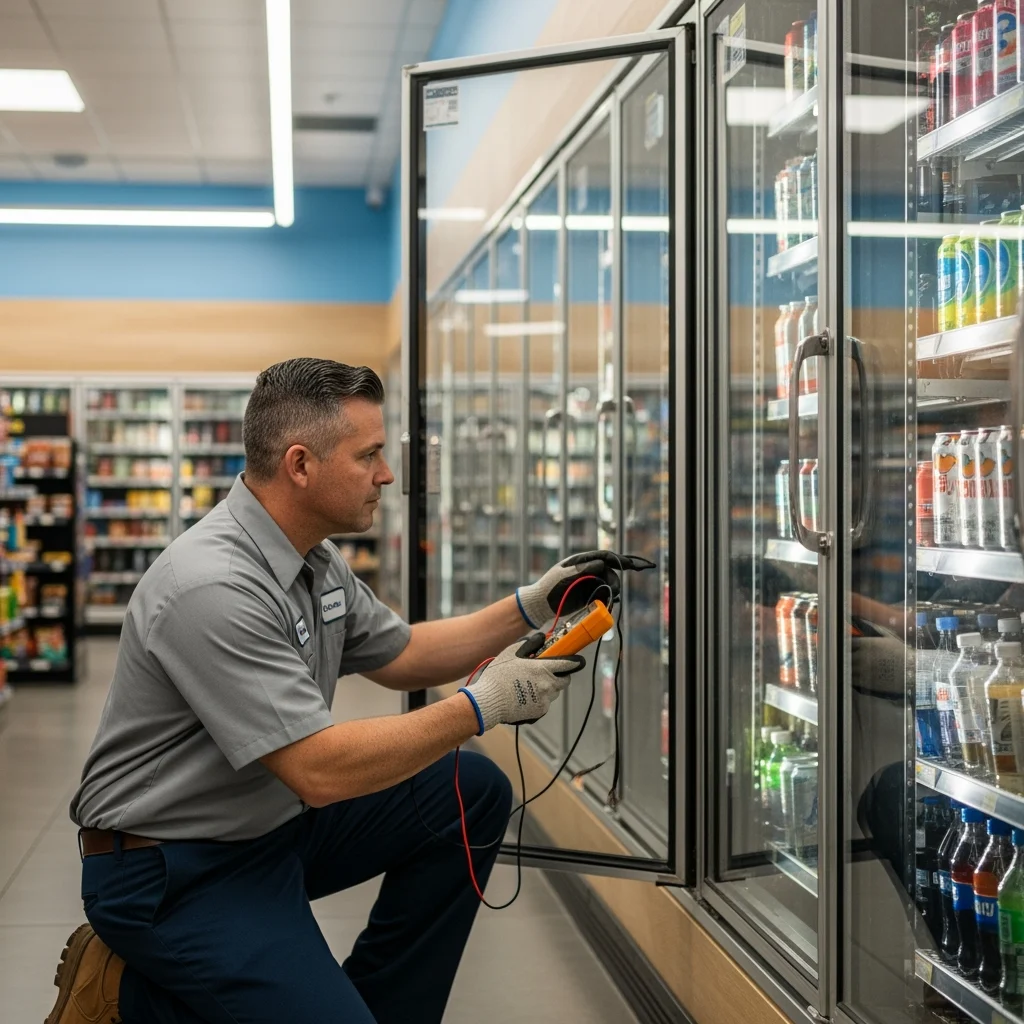
I’ve helped store owners and managers understand the nuts and bolts of refrigeration systems, and I know how much is riding on reliable units. If you run a gas station, corner store, or mini-mart, proper convenience store refrigeration in San Antonio, TX, keeps product fresh, prevents costly spoilage, and keeps customers coming back. Energy costs and equipment choices matter a lot here—the U.S. Department of Energy has clear guidance on commercial refrigeration efficiency that I often point clients toward when planning upgrades at Energy.gov.
Why refrigeration deserves top billing for convenience stores
A few degrees can be the difference between selling that cold sandwich or throwing it out. Convenience stores make a margin on prepared foods, beverages, and dairy—items that spoil quickly if refrigeration dips or fails. You pay for the product, staff time, and energy to keep it all safe. When refrigeration fails, losses come fast and often surprise you on a busy weekend night. I’ve seen stores lose thousands in a single outage because they lacked monitoring or quick service plans.
Key consequences of poor refrigeration
Poor refrigeration creates both immediate and long-term problems. Immediate issues include product loss, customer complaints, and health risks. Over time, inefficient units drive up energy bills, strain building HVAC systems, and shorten equipment life. In a warm climate like San Antonio, TX, compressors work harder, so small maintenance gaps become big bills fast.
Common refrigeration problems in San Antonio’s climate
San Antonio’s hot summers and humid air strain refrigeration equipment more than milder climates do. I focus on these recurring trouble spots with store owners here:
- Condenser coils clogged with dust, grease, or debris—reduces cooling capacity and raises energy use.
- Insufficient airflow inside display cases due to blocked vents or worn fans.
- Leaking refrigerant or undercharged systems that cause fluctuating temperatures.
- Improper defrost cycles on walk-in units that cause ice buildup and lost storage space.
Addressing these early prevents product loss and keeps equipment running at rated efficiency. Regular attention pays for itself.
How to prioritize refrigeration upgrades that actually save money
When budgets are tight, you want upgrades that show fast payback. I recommend a three-step approach: diagnose, prioritize, and plan.
Start with a basic audit. Look at each case and walk-in, measure temperatures across the unit, check door seals, and inspect condensers. Prioritize units that store perishable, higher-margin items or those that leak refrigerant. Then plan upgrades that reduce runtime or improve reliability.
High-impact upgrade options
- Replace aged compressors with modern, energy-efficient models. New drives and compressors often cut energy use by 20% or more.
- Upgrade to LED case lighting and efficient fans to reduce heat load and improve product presentation.
- Install night covers on open display cases to lower overnight energy draw.
- Consider electronic expansion valves and smart thermostats for better temperature control and diagnostics.
Maintenance checklist that keeps refrigeration reliable
Consistent maintenance is the single best defense against surprise failures. I train teams to use a short, repeatable checklist that takes 15–30 minutes per unit and avoids the “out of sight, out of mind” problem.
- Clean condenser coils monthly and check coil fins for damage.
- Verify door gasket seals and replace if cracked or warped.
- Check case and walk-in temperatures twice daily and log readings.
- Inspect drain lines and defrost heaters to prevent ice build-up.
Keeping a simple logbook—digital or paper—helps spot trends. If a unit needs service, call a licensed technician right away rather than waiting for a full breakdown.
Emergency troubleshooting: quick steps for store teams
When a fridge starts acting up during a busy shift, you need fast, clear actions to reduce losses. I tell store managers to follow these steps immediately:
- Move perishable product to another working unit or a portable cooler with ice packs.
- Check the breaker panel and thermostat settings in case of a simple tripped circuit or accidental change.
- Inspect the condensers for obvious blockages; a quick cleaning may restore function.
- Call your refrigeration contractor if the unit doesn’t respond. Don’t attempt refrigerant repairs unless you’re certified.
Having spare coolers and a basic response plan saves money and keeps customers happy during incidents. It’s worth training evening staff on this routine.
Choosing the right HVAC contractor for commercial refrigeration
Contractor choice matters more than price alone. I look for partners who bring certification, local experience, and a clear service plan.
Ask potential contractors about these things during the interview:
- Commercial refrigeration licenses and EPA Section 608 technician certification for handling refrigerants.
- Service response time and after-hours availability for emergencies.
- Experience with convenience store chains, gas stations, and multi-case systems.
- Ability to provide scheduled preventive maintenance agreements and temperature monitoring solutions.
Contracts should spell out response windows, parts warranty, and preventive maintenance tasks. In San Antonio’s heat, response speed can be the difference between a minor fix and a major loss.
Regulations, refrigerant transitions, and incentives to watch
Refrigerant rules are shifting globally, and in the U.S., manufacturers are moving away from high-global-warming-potential (GWP) HFCs. That trend affects repair choices and the cost of refrigerant. When retrofitting or replacing equipment, factor in future refrigerant availability and serviceability.
Also look for local and federal incentives for energy-efficient refrigeration and lighting. In my experience, utility rebates and tax programs often offset a sizable portion of upgrade costs. For example, many store owners are eligible for rebates when they add high-efficiency compressors or switch to LED case lighting.
Two trends shaping convenience store refrigeration today
Here are trends I’m watching that affect operations and budgets in the near term.
1. Remote monitoring and IoT sensors
Smart sensors now give real-time alerts for temperature swings, door openings, and compressor performance. These systems reduce shrink and emergency visits by catching issues early. The upfront cost is typically small compared to the value of avoided spoilage.
2. Natural refrigerants and low-GWP alternatives
Stores are beginning to adopt systems that use CO₂ or propane blends with lower environmental impact and long-term operational benefits. These systems may require different maintenance skills, but they align with tighter environmental standards and can offer energy benefits in certain configurations.
Local considerations for San Antonio store owners
In this region, heat and humidity drive most refrigeration choices. I recommend planning for peak summer operations: make sure units can maintain setpoints on the hottest days, and consider extra condenser protection if your unit sits in direct sun or near a fuel island. Neighborhoods such as Downtown, Alamo Heights, and the Northeast Side each have different customer mixes, so tailor stocking plans to local demand. A store near the Medical Center will have different peak items than one near a highway interchange.
San Antonio is growing fast; recent U.S. Census numbers show steady population gains that impact foot traffic and product demand. If you want exact population trends for planning, the U.S. Census Bureau offers reliable data on the city and metro area U.S. Census.
How I recommend planning a refrigeration project
When you’re ready to upgrade or replace equipment, follow a simple project roadmap I use with clients:
- Document each unit: age, serial number, repair history, and current runtime hours.
- Estimate losses from inconsistent temperatures and factor them into ROI calculations.
- Request multiple bids that include lifecycle cost estimates, not just sticker price.
- Schedule upgrades in off-peak periods and phase changes to avoid long downtime.
Doing the math upfront keeps upgrades tied to clear financial outcomes instead of being an expense that “felt necessary.”
Actionable tips that save money this season
Here are practical tips you can implement this week to cut risk and cost without large investments:
- Shift case temps by a fraction if safe for product—lowering setpoints by 1–2°F often has marginal benefit, but raising them slightly can reduce energy without risking safety for some non-perishables.
- Install night covers on open-air refrigerated cases and use LED lighting in cases to reduce heat transfer.
- Keep condensers clear and move HVAC intakes away from exhaust vents to avoid hot air recirculation.
- Train staff to log temperatures and report even small swings immediately.
Real-world benefits: what good refrigeration management delivers
When stores commit to better refrigeration practices, results are measurable. Common benefits I’ve seen include reduced product shrink by 30–50%, energy savings of 10–30% after targeted upgrades, and fewer emergency service calls. The real upside is customer trust: when a store consistently offers cold beverages and fresh sandwiches, shoppers return more often and buy more during each visit.
Final thoughts: Keeping your store cool, compliant, and competitive
Running convenience store refrigeration in a warm market requires a balance of smart equipment choices, steady maintenance, and local awareness. Start small with regular checks and a simple service plan, track your temperatures, and gradually invest in upgrades that offer clear payback. The result is lower energy bills, fewer product losses, and a more reliable store operation.
If you’re ready to talk specifics, schedule a review and get a plan tailored for your location and inventory needs. For reliable commercial refrigeration and HVAC service in the San Antonio area, consider reaching out to NexTech.