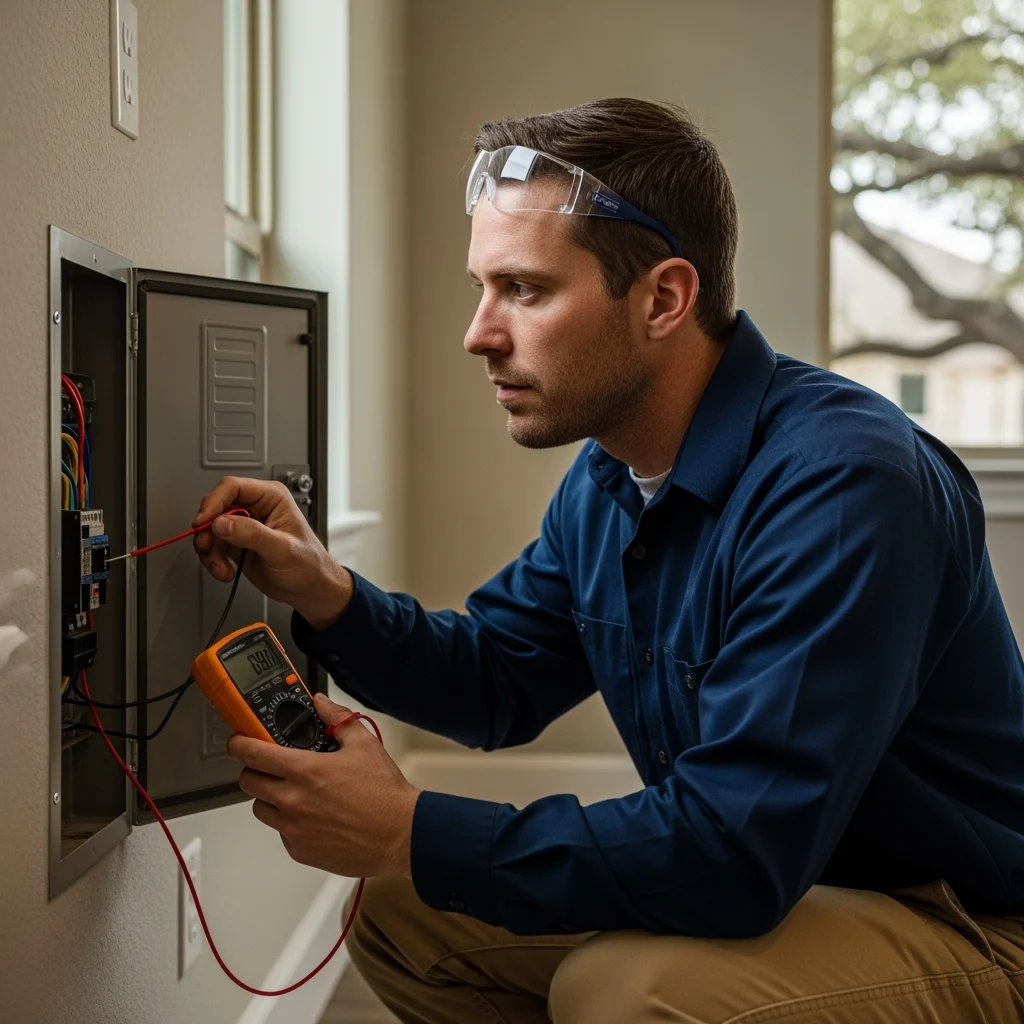
I’ve helped neighbors and small businesses weigh options and avoid common electrical headaches, so I’ll start by pointing you to a trusted local resource for electrical services in Bulverde, TX. For broader guidance on energy safety and best practices, the U.S. Department of Energy offers helpful overviews and current trends at energy.gov.
Why good electrical work matters in Bulverde
Homes here are a mix of newer subdivisions and older ranch-style properties, and that creates a unique set of electrical needs. Outdated wiring, small breakers, and the rise in smart devices and electric vehicle chargers put extra strain on systems that were never built for the loads they see today. When wiring isn’t right, you’ll notice flickering lights, buzzing outlets, or breakers that trip for no clear reason. Left unchecked, those symptoms can lead to more expensive repairs or safety hazards.
Common electrical problems I see locally
When I walk through a service call, a few issues tend to show up again and again in this region. Knowing these ahead of time helps you spot problems early.
- Frequent breaker trips or blown fuses because panels aren’t sized for modern demand.
- Dimming or flickering lights caused by loose connections or voltage drops.
- Outdated two-prong outlets and ungrounded wiring that increase shock risk.
- Poorly installed or aging exterior fixtures exposed to weather, causing corrosion and shorts.
Trend 1: Electric vehicle chargers are becoming a must-have
More drivers in the area are choosing plug-in vehicles, and installing a Level 2 charger at home is one of the most common upgrades homeowners ask about. That often requires a panel upgrade or dedicated circuit. Planning for an EV charger during a renovation saves money and avoids future rewiring.
Trend 2: Smart panels and whole-home surge protection
Smart circuit breakers and whole-home surge protection are moving beyond early adopters into mainstream homes. They give you clearer insights into energy use, remote control of circuits, and better protection for expensive electronics during storms or grid fluctuations. For homes near open areas and Hill Country conditions, surge protection is a simple upgrade that prevents long-term damage.
How to decide when to call a professional
There’s a difference between a quick fix and a sign that the system needs professional attention. Call a licensed electrician for any of the following:
- Repeated breaker trips that aren’t solved by switching off a single appliance.
- Burning smells, scorching at outlets, or discolored wall plates.
- Shocks or tingling when touching appliances or switches.
- Planned large electrical upgrades like EV chargers, hot tub wiring, or major remodels.
Minor tasks like changing a light bulb or replacing a switch cover are often homeowner-friendly, but anything that involves opening the panel or altering permanent wiring should be left to a pro.
What a good service visit looks like
When a licensed electrician arrives for a diagnostic or repair, here’s what I expect them to do. The best professionals follow a reliable process that prioritizes safety and communication.
- Start with a non-invasive inspection to identify visible issues and ask about symptoms and timelines.
- Use proper testing equipment to check voltage, grounding, and load balancing.
- Explain findings in plain language, show you the problem areas, and provide clear options with transparent pricing.
- If work is approved, complete it to code and leave a tidy workspace, followed by testing and walk-through.
How to choose the right electrician in this area
Choosing an electrician is about more than price. Look for these qualities to avoid headaches later.
- Proper licensing and insurance with visible documentation and a willingness to explain permits and code requirements.
- Clear, written estimates that outline parts, labor, and any potential extra costs.
- Good communication and punctuality—text updates or appointment windows make a difference.
- Willingness to show references or recent project examples similar to what you need.
Local considerations for Bulverde residents
Bulverde’s growth means more construction and more interaction between older neighborhoods and new developments. That can influence electrical work in a few ways. Contractors often encounter older service entries, non-code exterior wiring, and homes that need upgraded grounding for modern electronics. If you live near busy corridors or new subdivisions, ask whether there are local HOA rules or municipal requirements that affect outdoor lighting, EV chargers, or generator installations.
Quick safety checks you can do this weekend
Before you schedule a service call, do these simple checks that can reveal hidden problems or help an electrician diagnose faster.
- Test each outlet quickly with a plug-in outlet tester to check grounding and polarity.
- Note which breaker trips and what was running when it happened—appliance, HVAC, or lighting.
- Look for scorch marks or warm wall plates, and unplug anything suspicious immediately.
- Make a short list of symptoms and when they occur (time of day, weather, appliance use).
How upgrades pay off over time
Upgrades like panel replacements, dedicated circuits, and LED lighting are investments that save money and reduce risk. A properly sized panel prevents nuisance trips, while dedicated circuits for high-draw appliances protect wiring and improve performance. Replacing older lighting and adding timers, dimmers, or motion sensors reduces energy waste and can modestly lower monthly bills.
What to expect on cost and timing
Costs vary by project scope, parts, and code requirements. A simple outlet replacement or light fixture install can be completed in under an hour, while a panel upgrade or EV charger circuit might take a day or more and involve a municipal permit. The most common surprises are hidden issues revealed once walls or panels are opened—double-check that estimates include a clear policy for change orders and approval before work continues.
Energy efficiency and future-proofing your home
Thinking ahead saves money when you plan electrification projects. If you’re considering solar panels, battery backup, or a future EV charger, discuss those plans now. A small additional cost to upgrade a conduit, add knockouts, or reserve space in your panel pays back by avoiding expensive retrofits. Smart panels and load management systems are an increasingly popular way to balance new loads without an immediate full-panel replacement.
Common myths about electrical work
Let me dispel a few myths I still hear:
- Myth: “If the breaker isn’t warm, everything is fine.” Truth: Breakers can function while downstream wiring or connections are compromised.
- Myth: “Old wiring is always okay if it works.” Truth: Working wiring can still be unsafe when it’s ungrounded, damaged, or undersized.
- Myth: “Any handyman can do wiring.” Truth: Permits, inspections, and code compliance are legal and safety issues best handled by licensed professionals.
Emergency signs that need immediate action
Some problems aren’t worth waiting for a standard appointment. If you encounter any of the following, shut off the affected circuit and call for emergency electrical help right away:
Persistent burning smells, visible sparking, smoke, or outlets that are hot to the touch. These can indicate an active fire risk. Also, repeated, unexplained power loss to parts of your home—especially if accompanied by buzzing or crackling—warrants prompt intervention.
How I approach sustainable upgrades
When I help plan sustainable upgrades, the goal is to reduce energy use while maintaining safety and reliability. Common measures include switching to LED fixtures, adding occupancy sensors in low-traffic rooms, and installing smart thermostats integrated with electrical load controls. For larger projects, pairing energy-efficiency upgrades with future-ready electrical work helps reduce the total cost over time.
Questions to ask before you book a job
Before hiring, ask these direct questions so there are no surprises later: Are you licensed and insured? Will you pull necessary permits and schedule inspections? Can you provide a written estimate and timeline? Who will perform the work and will they be on-site for the whole job? These questions protect you and give you leverage to compare contractors fairly.
Wrapping up: practical next steps for homeowners
If you’ve noticed signs of electrical trouble or you’re planning an update, start with a diagnostic visit. A short inspection reveals whether you need a repair, a partial upgrade, or a full panel replacement. Gather a list of symptoms, note any recurring breaker trips, and decide whether a future EV charger or solar system should factor into your plan. With that information, an electrician can give a clear recommendation that aligns with your budget and timeline.
Action plan you can use now
Follow these three simple steps to move forward with confidence:
- Do a quick safety sweep around outlets and the circuit breaker, and jot down anything unusual.
- Prioritize issues that affect safety or could cause equipment damage, like scorched outlets or shocks.
- Schedule a licensed electrician for a diagnostic visit and ask for a written estimate with permit handling included.
If you want a reliable local partner to handle diagnostics, upgrades, and installations in Bulverde, I recommend reaching out to a licensed local electrical contractor who offers clear estimates and stands behind their work. For trusted residential and commercial help in the area, consider contacting Bolte Electric SA to discuss your needs and get a professional assessment for projects large and small.